Abstract (ITA)
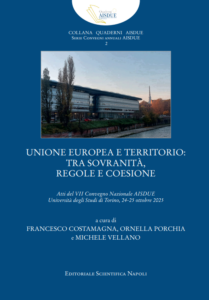
Si ritiene abitualmente che la differenza di approccio regolatorio in tema di intelligenza artificiale tra gli Stati Uniti e l’Unione europea sia essenzialmente dovuto al fatto che, mentre i primi pongono al centro della regolamentazione, le esigenze del mercato, la seconda si focalizza soprattutto sull’essere umano e sui diritti fondamentali. O, perlomeno, mira a bilanciare dette contrapposte esigenze. Questo è tanto più esatto, dopo il secondo avvento del Presidente Trump alla Casa Bianca, il quale, con una serie di atti normativi, ha imposto una crescente deregolamentazione della materia. A tale diversità di approccio, fanno tuttavia da contraltare non solo il regolamento sull’intelligenza artificiale, quanto piuttosto una serie di atti normativi, quali il DMA, il DSA, il GDPR, la direttiva copyright nel mercato digitale. Come dimostrano gli scritti raccolti in questo volume, sono soprattutto detti atti normativi e la lettura congiunta di questi con l’AI Act, che costituiscono l’effettivo ostacolo ad uno sviluppo incontrastato ed illimitato delle tecnologie fondate sull’intelligenza artificiale.
Abstract (ENG)
It is commonly believed that the difference in regulatory approach to artificial intelligence between the United States and the European Union is essentially due to the fact that, while the former places market needs at the centre of regulation, the latter focuses primarily on human beings and fundamental rights. Or, at least, it aims to balance these conflicting needs. This is even more true since President Trump’s second term in the White House, during which he has imposed increasing deregulation of the sector through a series of legislative measures. However, this difference in approach is counterbalanced not only by the regulation on artificial intelligence, but also by a series of legislative measures, such as the DMA, the DSA, the GDPR and the Copyright Directive in the digital market. As the writings collected in this volume demonstrate, it is primarily these legislative acts, read in conjunction with the AI Act, that constitute the real obstacle to the unchallenged and unlimited development of technologies based on artificial intelligence.